Cultural development in companies: changing values, structures and behaviour effectively
Post-merger integration, building a performance culture, international expansion or a generational change transform structures and processes. Above all, though, they change how people make decisions, work together and take on responsibility. This is exactly where CPC's cultural development comes in: we make cultural patterns visible, develop concrete measures together with you and implement them in iterative cycles. This turns cultural development from an abstract mission statement into concrete change in everyday work.
Our Clients





























What is cultural development in a company?
For us, cultural development means deliberately evolving an organisation's patterns of thinking and behaviour. We look at values and beliefs just as much as at the structures and conditions in which behaviour arises.
Because culture shows itself above all in everyday work: in how decisions are made, how leadership is lived, how teams work together and which behaviour a company actually rewards.
That is why CPC combines cultural development with organizational design and change management. The goal is change that becomes visible and effective in everyday work – far beyond a new culture statement. Anyone who wants to change their corporate culture needs exactly this connection.
“Together we analyze the current situation and develop measurable goals and measures for tangible culture development in the company.”
Elias Okrent, Senior Consultant at CPC

Why many culture initiatives miss their goal
Many organisations start out with ambitious goals but hardly reach them in everyday work. Because the real problems often remain hidden:
- Expectations of concrete performance and the right behaviour remain unclear in the team.
- Knowledge and valuable practical experience are hardly shared between departments.
- Goals are phrased in abstract terms and give employees too little orientation in day-to-day business.
- Teams often understand customer needs and dynamic market trends only insufficiently.
- Cultural tensions and conflicts stay unresolved for a long time and weigh on collaboration.
Anyone who ignores these causes is merely treating superficial symptoms. Effective cultural development uncovers the hidden hurdles and makes them open to discussion for everyone involved.
One effective lever is a lived feedback culture: where feedback is given and received openly, tensions can be addressed early.
Understanding corporate culture: Edgar Schein's iceberg model
Why does culture work make so little noticeable progress in many companies? The well-known iceberg model by organizational psychologist Edgar Schein explains it vividly. The model distinguishes three levels: what we see, what we say and what we believe.
Resolving discrepancies: removing the sense of friction
When the three levels drift apart, employees feel a noticeable sense of friction. Changes on only one level – such as new mission statements on level 2 – achieve little on their own. Because untouched basic assumptions on level 3 continue to steer behaviour unconsciously. Anyone who wants to change their corporate culture therefore takes all three levels of the iceberg into account. This is how targeted culture work achieves lasting effects in your organisation.
Where does your culture stand today?
In 30–45 minutes, a culture expert gives you an initial assessment of your situation, your goals and the next steps. Free of charge and confidential.
“We make sure that rules, values and beliefs fit together. This way your corporate culture develops noticeably in the desired direction.”
Carina Throne, Senior Manager at CPC
Our approach: cultural development in three steps
Culture develops through understanding, reflecting together and trying things out every day. That is why CPC follows a three-stage approach that connects analysis with concrete change.
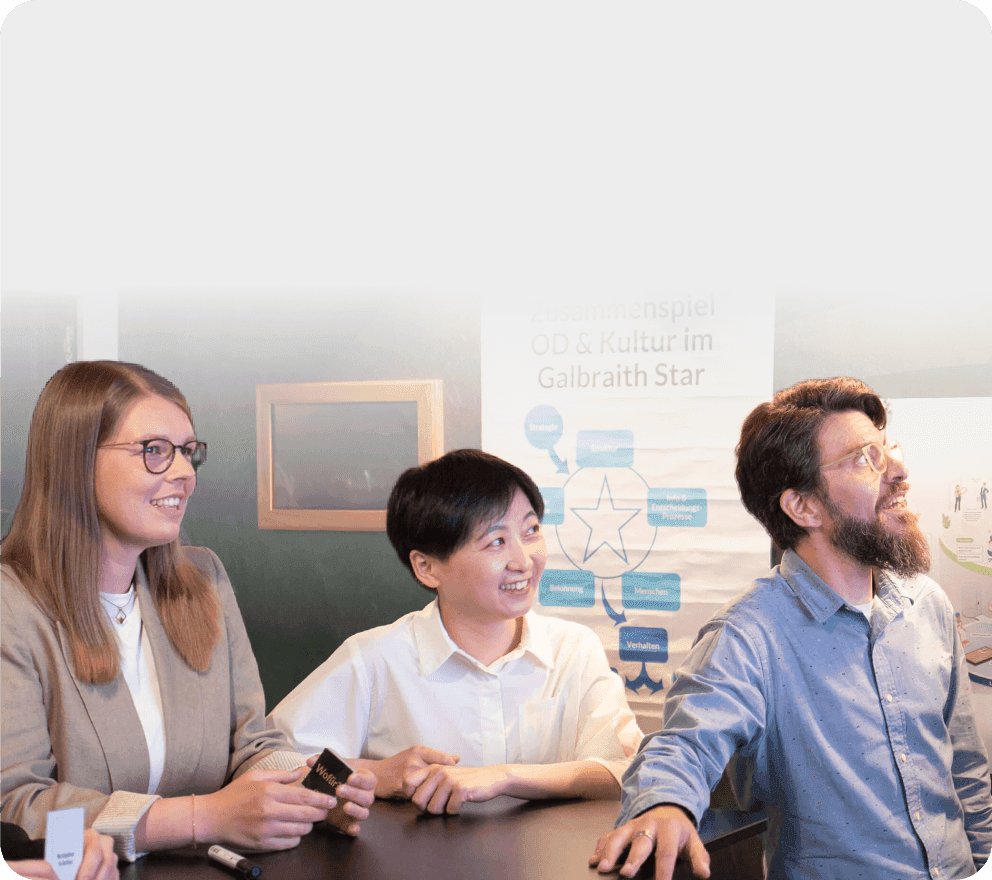
1. Thinking Culture
Effective change needs clarity: which problem are we solving, and which goal are we pursuing?
1. Thinking Culture
In the Clarity Check we work out the following with selected leaders:
- Strategic picture
- Reason and goal of the change
- Initiatives already underway
- Vision and guiding principles
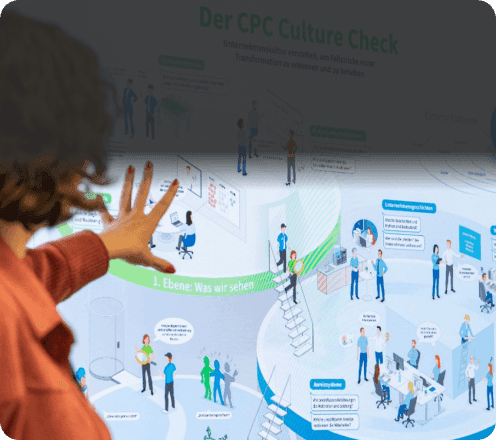
2. Analyzing Culture
Analysis of the current situation and identification of the cultural factors on all 3 levels that are relevant to the change.
2. Analyzing Culture
Together with diverse groups of leaders and employees, we make the culture visible (Culture Check):
- Visible culture
- Non-visible culture
- Basic assumptions
- Externally acting factors

3. Working on Culture
Defining the framework conditions, planning measures and implementing them step by step in your organisation.
3. Working on Culture
Together with the relevant leaders and organizational units, we implement cultural change in the company while keeping the following in mind:
- Starting points
- Framework conditions
- Preparatory tasks
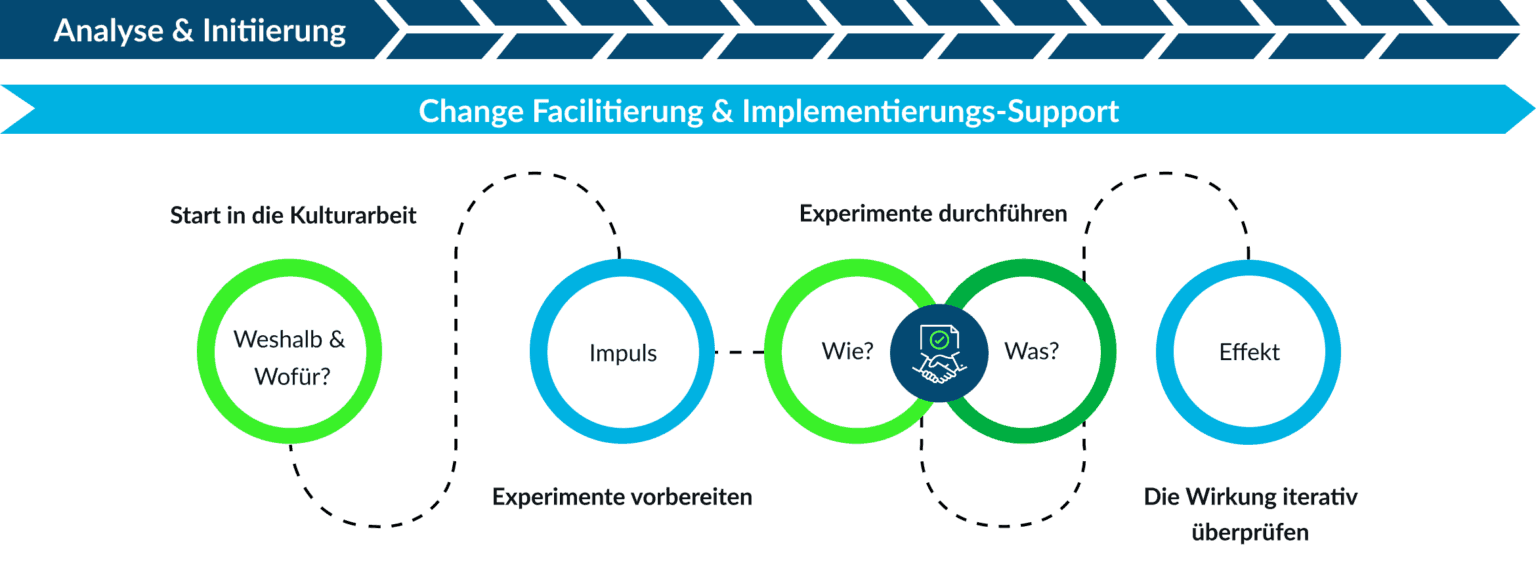
We rely on an iterative approach to achieve meaningful progress quickly.
Iteration cycles
Are you planning a cultural change in your company?
In a free initial consultation we outline the approach, phases and scope of your project – including a first frame for duration and costs.
Request an initial consultationCultural development as an iterative learning process
Culture changes step by step. New behaviours have to prove themselves in concrete everyday work – which is exactly why CPC works iteratively in cultural development.
From the analysis we derive which change brings the greatest benefit. We try out these measures directly in everyday work in suitable areas. The experience gained then feeds into the next steps.
This principle turns cultural development into a shared learning process instead of a one-off large-scale project.
Change is allowed to start small: with micro changes we trigger targeted changes in everyday work and review their effect. We develop successful approaches further and anchor them in the organisation.
Step by step, this creates a cultural change in the company that becomes visible in everyday action – far beyond paper.

What cultural development with CPC achieves
Effective cultural development shows in everyday work: collaboration, decisions and behaviour actually change – beyond newly formulated values. The CPC approach gives you a solid basis for this:

1. Making culture visible
With the CPC Culture Check we look at existing cultural patterns, visible and invisible factors and the underlying assumptions. This creates a shared understanding of the starting situation.
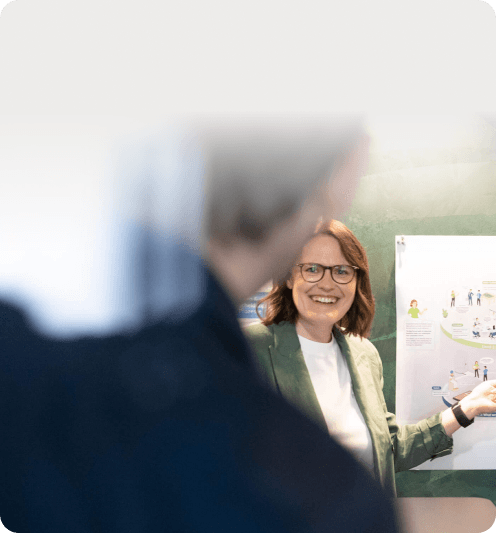
2. Targeting change precisely
Instead of prescribing culture “from the top”, we identify concrete starting points. From these we derive targeted measures and review their effect.
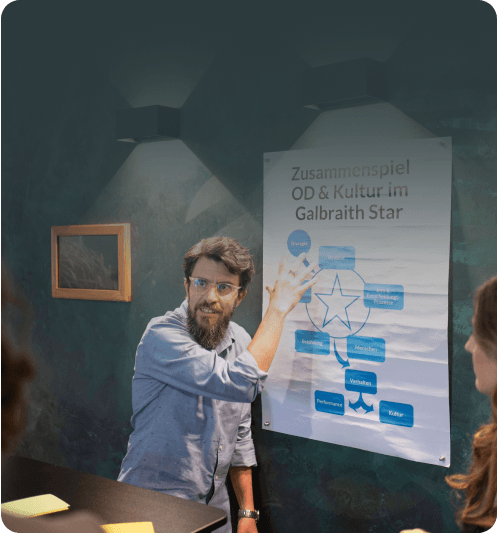
3. Thinking organisation & culture together
Culture always arises in interplay with the organisation. That is why CPC looks at culture, structures, processes and behaviour in context and develops them together.
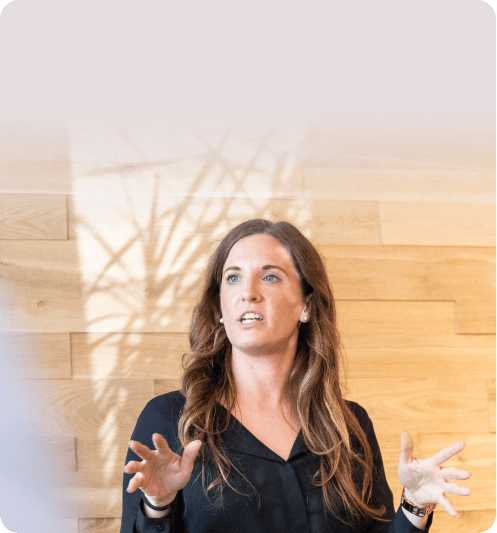
4. Involving employees
Culture is lived by the people in an organisation. That is why CPC creates space for participation, reflection and learning together – and makes change connect with everyday work.
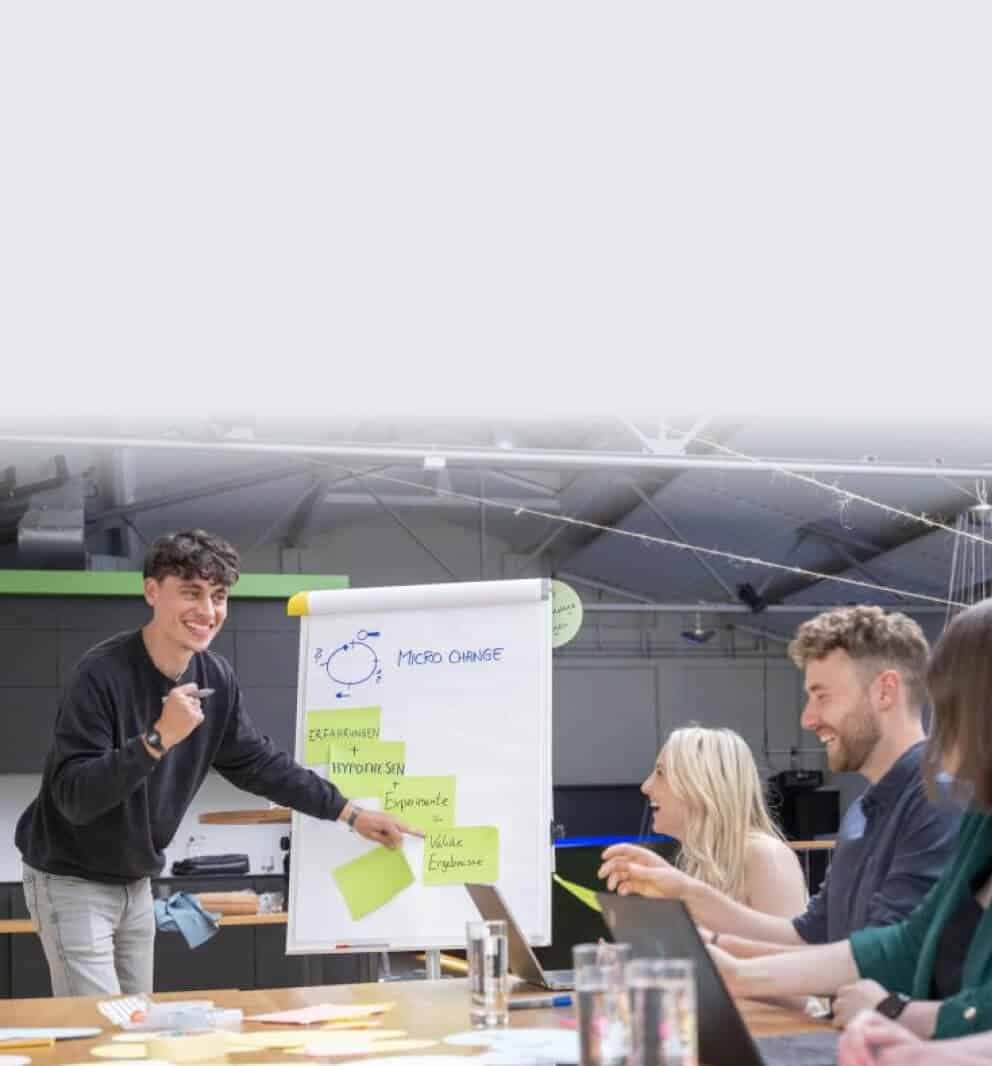
5. Anchoring change for the long term
We develop successful changes further and integrate them into everyday work. Step by step, individual measures turn into a lasting change in how people work together.


Voices of our clients
“CPC quickly understood our challenges, provided many new impulses and rapidly translated them into experiments. More than 90% of respondents now understand our new vision and strategy.”
The CPC Culture Check: making culture visible
Would you like to know which cultural patterns shape your organisation today? Or are you facing a transformation and wondering whether your existing culture supports the change? The CPC Culture Check provides a structured basis for these questions.
We look at the visible surface just as much as at the less visible levels of culture and the basic assumptions that influence behaviour and collaboration.
What is examined?
The Culture Check combines different perspectives on the organisation:
- Visible culture: observable behaviour, routines and collaboration
- Non-visible culture: values, beliefs and perceptions
- Basic assumptions: deeply rooted ideas about “how things work around here”
- Externally acting factors: framework conditions and influences from the organisation's environment
The results make cultural patterns tangible and show starting points for further development. The decisive question is: which cultural patterns support our strategic and organizational development – and which stand in its way? On this basis we define concrete next steps together.
Free download: the Big Picture of corporate culture
Together with our partner Big Pictury, we have brought our experience from corporate culture consulting into a Big Picture. It visualizes the visible and invisible aspects of a corporate culture. Using illustrative scenes, it also guides you in looking at and analyzing your own culture in a new way.
In change initiatives, corporate culture can either drive or slow down success. The Big Picture, with its reflection questions, helps you understand your corporate culture. This way you recognize early on where to start – so that your culture doesn't “eat your strategy for breakfast”.
What working with us looks like
Cultural development needs more than a theoretical model. It needs people who understand organisations, shape change and put new ways of working into practice together with those involved.
This is exactly what our team of agile coaches and culture developers stands for. It has been fully dedicated to this topic for more than ten years. Our specialists combine experience from agile work, change management and cultural development. In doing so we follow a clear principle: strengthen strengths. We work with what already works in your organisation and derive concrete starting points for further change from it.
How we work
We combine experience from more than 100 culture projects with direct implementation in your everyday work. That is where new approaches show their effect, and that is exactly where we measure it. We work according to four principles:
1. Concrete results matter more than a grand vision
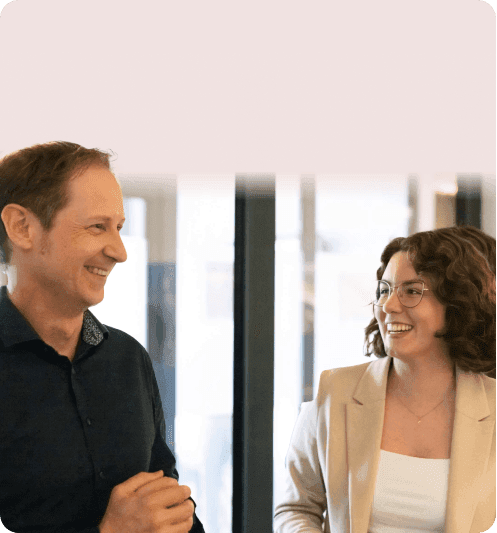
1. Concrete results matter more than a grand vision
Inspiring goals help. What matters more, however, is that your employees experience early on how their daily work influences the goal.
2. Step by step instead of a rigid plan
2. Step by step instead of a rigid plan
Every organisation is unique. That is why we develop suitable measures and review their effect against clear criteria.

3. Continuous development instead of rigid structures
3. Continuous development instead of rigid structures
Cultural change is never finished. That is why we continuously review and adjust organisation and collaboration.
4. Good thinking tools instead of rigid methods

4. Good thinking tools instead of rigid methods
We know the methods. What matters, however, is understanding your needs and tailoring the tools to them.
Our culture team at a glance

>100 projects in cultural development across different industries

10+ years of experience in cultural development in companies

3 cooperations with strategic partners

>80 % of our clients book us again
Discuss your project with one of our culture experts!
Meet our culture experts in person
30–45 minutes with a culture expert: an assessment of your situation and goals, an outline of approach and phases, a first frame for duration and costs.


We're grateful for these awards
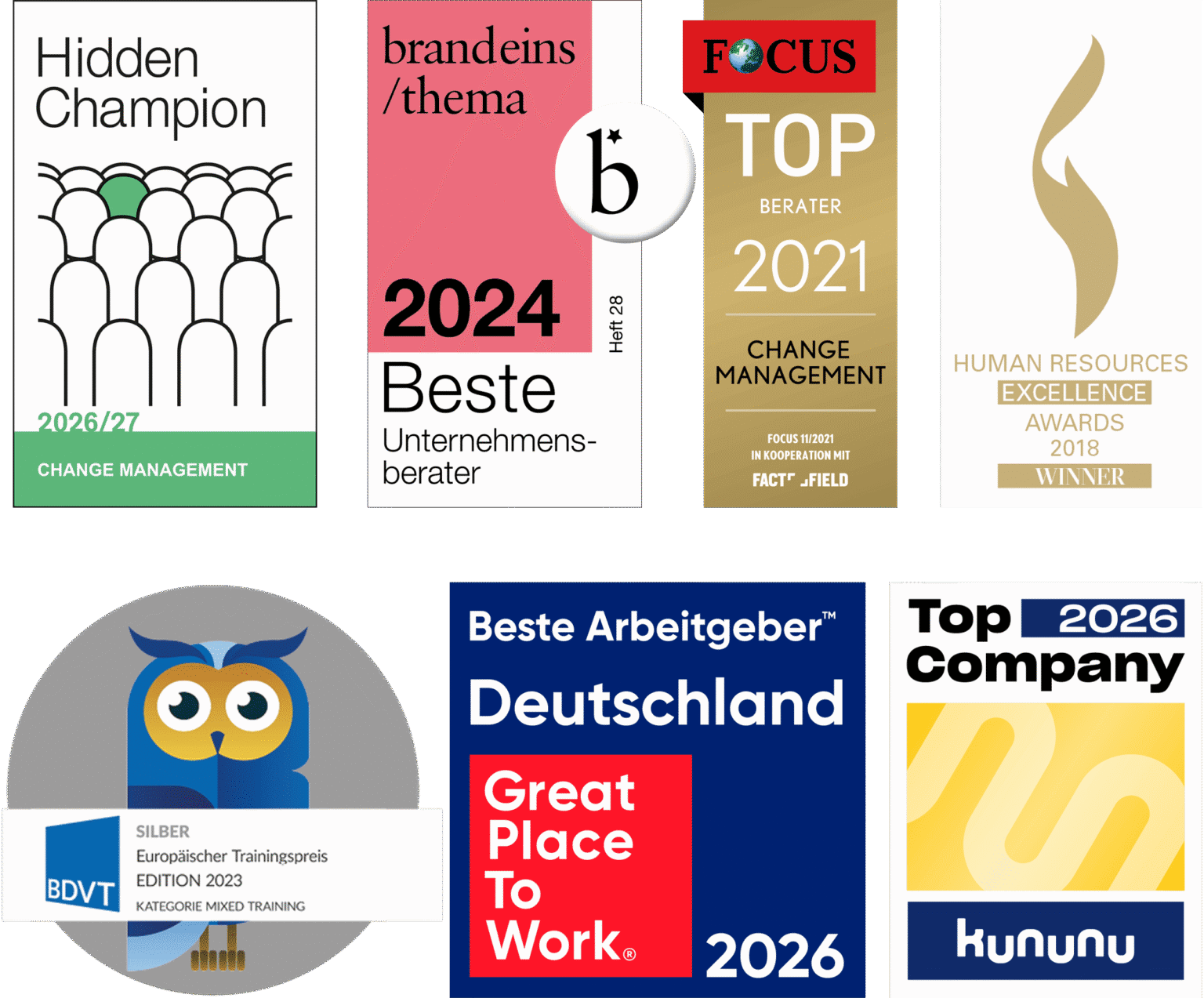
- CPC is a five-time No. 1 Hidden Champion for change management
- Year after year, brandeins/thema names us Germany's best management consultancy for change management
- We have been a Focus Top Consultant for many years
- Winner of the HR Excellence Award and the European Training Prize together with Deutsche Telekom and Lufthansa Technik
- We are No. 1 Great Place to Work in the 51–100 employees category and a Kununu Top Company.
Start your cultural development with CPC now!
Is your organisation facing a strategic change or a merger, or would you like to strengthen your performance culture for the long term? Let us find out together which levers will move your cultural development forward.
Step 1
Call back or email.
We get back to you within 24 hours, clarify what you need and arrange an appointment.
Step 2
Free initial conversation.
In a video call you describe your project. Together we discuss suitable solution scenarios.
Step 3
The next steps.
Proposal, pitch or project kickoff? You set the pace and decide how to proceed.
Cultural development – questions and answers
Cultural development deliberately shapes an organisation's patterns of thinking and behaviour. It starts with values and unconscious basic assumptions. Organizational development, by contrast, covers the formal structures, processes and management systems as a whole. The two disciplines depend on each other. Changed processes only succeed if the lived culture supports them. Conversely, pure culture work fizzles out if incentive systems and work structures contradict the desired behaviour. That is why CPC always looks at and connects both areas in an integrated way.
According to Edgar Schein, a mission statement workshop only touches the level of espoused values. New guiding principles alone, however, do not change established basic assumptions. If performance reviews or reporting lines remain unchanged, the old system always wins when in doubt. Employees experience this discrepancy as a frustrating sense of friction. Real cultural development therefore requires concrete adjustments to the framework conditions. Only when changed behaviour brings noticeable benefits in everyday work does lasting change emerge.
Cultural development is an iterative process that requires time and consistency. First noticeable improvements in collaboration appear through targeted micro changes after just six to nine months. A deeply anchored transformation that remains stable even through changes in leadership or under high pressure typically takes 18 to 36 months. Shorter programmes usually only produce superficial communication effects and do not lead to genuine, lived change.
That depends on the objective, the size of the company and the scope of support. A Culture Check with ten interviews is considerably leaner than support across several areas and years. In a free initial consultation we give you a reliable order of magnitude for your project.
The CPC Culture Check analyses your entire cultural spectrum across all three levels. In ten structured interviews we capture unvarnished insights from practice beyond official processes and guidelines. We identify inhibiting patterns such as “urgent beats important” or unresolved conflicts. We then reflect these results back to your decision-makers neutrally. This makes hidden basic assumptions transparent and paves the way for targeted interventions.
Micro changes are small, focused changes in behaviour that teams try out in protected pilot spaces. Instead of major upheavals, we introduce things like changed meeting routines or adjusted decision paths. We prioritize these measures in a dynamic culture & change backlog using clear criteria. The teams review their effectiveness in regular retrospectives. This way employees gain direct positive experience, and new habits take hold gradually and without overload.
The two go hand in hand. Agile consulting introduces new ways of working; cultural development anchors the mindset behind them. At CPC you get both from one team, so there is no need to coordinate several consultancies.