

Feedback culture: working together openly and constructively
A good feedback culture lays the foundation for open, constructive exchange within a team. It shows in how employees and managers talk to each other, give feedback and deal with different perspectives. That includes criticism as well as recognition, mutual reflection and concrete suggestions on how to work together. A feedback culture grows out of feedback that is actually practised, supported by suitable feedback conversations and clear agreements. What counts is whether feedback is really lived in everyday work. CPC helps your company anchor feedback firmly in the way people work together and encourage open exchange.
Our Clients





























Four principles shape a good feedback culture:
What is feedback culture?
Feedback culture describes how feedback is given, received and processed in everyday work within a team or an organization. It is therefore more than individual feedback conversations or formal feedback tools.
The decisive point is practice: a feedback culture emerges where people can regularly give and receive feedback and this exchange is seen as part of working well together. Anyone who wants to improve feedback culture for the long term therefore looks not only at feedback rules and conversation formats, but also at the patterns and conditions in which collaboration takes place.
How can you recognize a good feedback culture in a team?
Whether feedback is really lived in a team shows above all in day-to-day interaction. A good feedback culture does not need constant evaluation. Rather, it creates a setting in which feedback is raised as a matter of course and used to work better together.
Typical characteristics are:
- Feedback is raised promptly: Feedback is voiced as far as possible while a specific situation is still fresh. That makes it possible to clear up misunderstandings and reflect on behaviour early on.
- Positive and critical feedback both have their place: Feedback culture means a balanced exchange about what works well and where development makes sense. Recognition is part of it just as much as openly addressing difficulties.
- Feedback works in both directions: Managers give feedback to employees – and the other way round. This reciprocity requires feedback to be understood as a contribution to collaboration, regardless of hierarchical position.
- Feedback refers to specific observations: Constructive feedback describes as specifically as possible what happened, how a situation was perceived and what effect it had.
- Feedback leads to reflection: Feedback opens up the chance to reflect on one's own behaviour or on how people work together. What matters is what the team does with it.
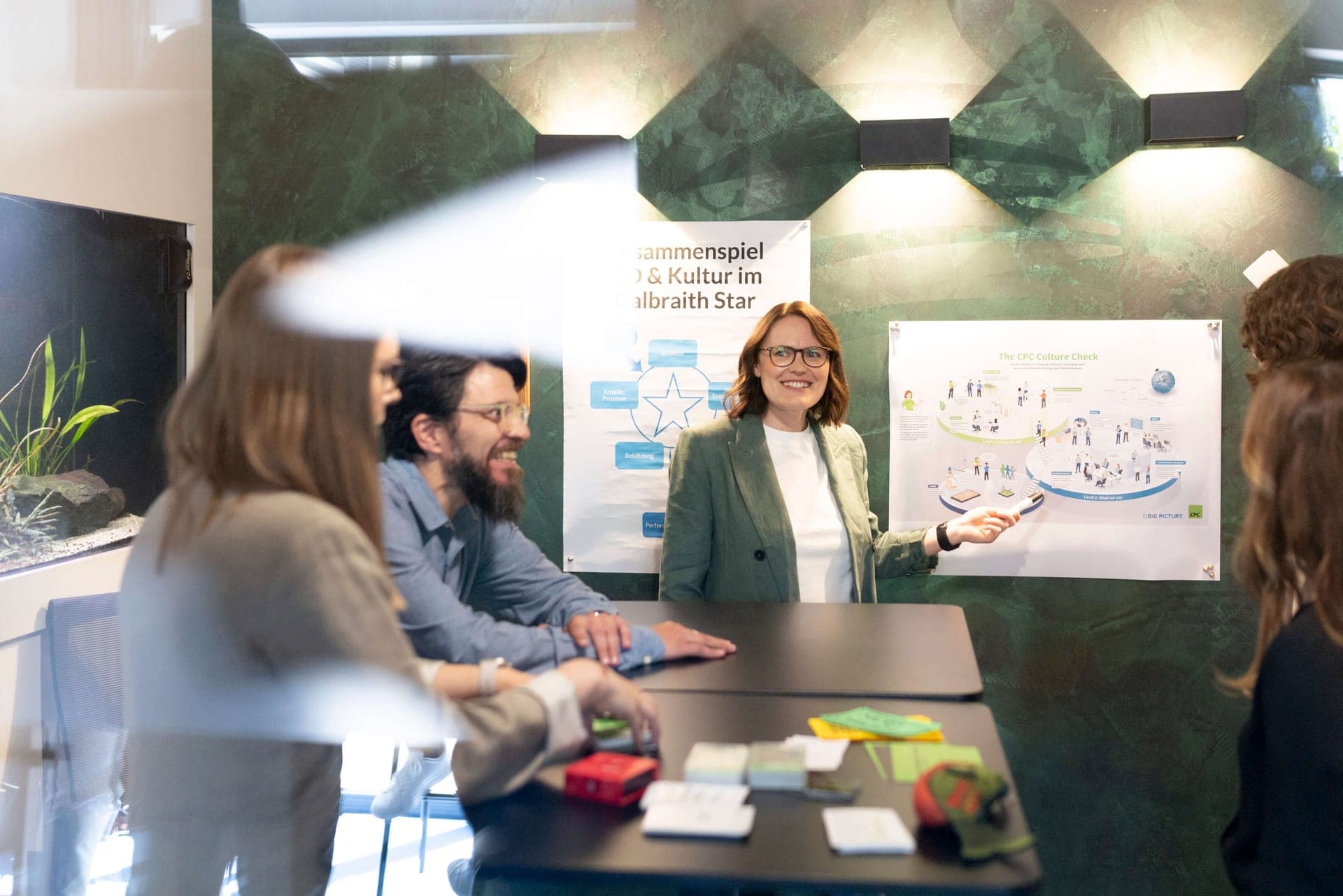
Especially in change processes, a feedback culture like this can lay an important foundation. It makes it possible to pick up on practical experience early and to bring different points of view into further collaboration. Our culture experts look at such concrete behaviour patterns and conditions as part of their work on culture and change.
Why does feedback culture matter in everyday work?
Feedback shapes how people see their own work and how they work with others. Where feedback is possible regularly and constructively, expectations become clear, different perceptions become visible and experience can be reflected on together.
This applies all the more when ways of working, structures or responsibilities change. Besides new processes, what matters is how people deal with the changes in everyday work. A lived feedback culture helps make experience from implementation visible and learn from it.
For CPC, it is exactly this link between behaviour, collaboration and organizational conditions that matters. To us, feedback culture is a concrete form of collaboration in practice.
What supports a good feedback culture?
A feedback culture can be established through the right conditions, leaders who set an example and a conscious way of handling feedback. Whether people speak openly with each other also depends on how feedback is experienced and processed in the team.

1. Trust and safety in the exchange
When employees see that critical feedback, too, is received constructively, they openly contribute relevant perspectives. This makes different points of view visible and usable for collaboration.

2. Feedback as a balanced exchange
A feedback culture combines recognition, reflection and development – including reflecting together on what works well.
3. Managers as role models
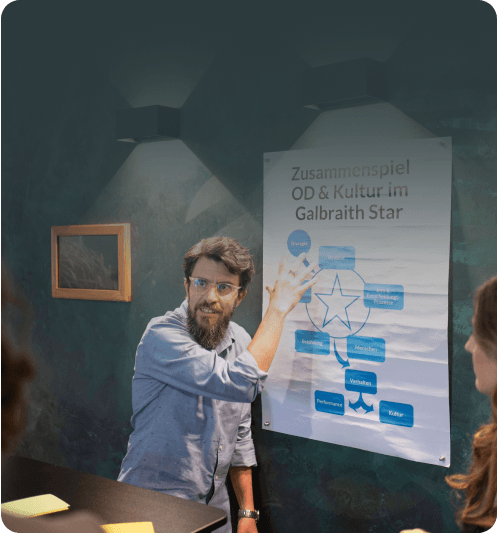
A manager who regularly gives feedback, is open to critical feedback and uses it to reflect sends a consistent signal. That includes being willing to reflect on one's own impact and behaviour.

4. Specific feedback
Precisely worded feedback makes it clear what it refers to and what reflection or further development can come from it.

5. Openness to different perspectives
Constructive collaboration makes room for different points of view. That way, conflicts can be picked up early and worked through together.
6. Feedback as a starting point for reflection
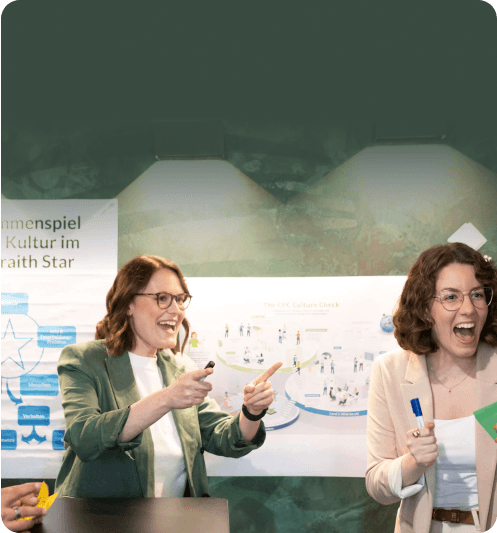
When feedback is heard, reflected on together and brought into further collaboration, a living feedback practice emerges.
In our view, such patterns make it worth looking at the environment in which feedback takes place: Which behaviours are encouraged? Which conditions work against them? And what does it take for the collaboration you want to actually happen in everyday work?
Developing your feedback culture in a targeted way
Would you like to know where your team stands today? In 30–45 minutes, a culture expert will give you an initial assessment of your situation and the next steps. Free of charge and confidential.
How can a feedback culture be developed?
A feedback culture emerges through continuous development in everyday work. It grows through the way teams work together, reflect on experience and try out new behaviours day to day.
From feedback to a lived culture
In a free initial consultation, we discuss how you can anchor feedback firmly in the way you work together – with the approach, phases and an initial framework for duration and costs.
Developing feedback culture with CPC
Feedback culture emerges in everyday interaction. If collaboration is to change for the long term, it therefore makes sense to connect feedback practice, behaviour patterns and the organization's concrete conditions.
We combine change management, organizational consulting and cultural development, looking at change as the interplay of people, leadership, organization and collaboration in practice.

Long-standing experience in change processes
CPC brings extensive experience from change and transformation projects. This lets us place feedback culture in the specific change context of a company.

Change with an eye on everyday work
We combine conceptual work with concrete implementation. We describe new behaviours and at the same time try them out in everyday work.

Thinking culture & organization together
Feedback behaviour always emerges in interplay with the environment. Leadership, structures, processes and forms of collaboration influence how openly people communicate with each other. CPC therefore looks at cultural patterns in connection with the organizational conditions.

Using experience for change
We work iteratively: we try out new approaches in practice, reflect on them and develop them further based on concrete experience.
A good feedback culture looks different in every company. What matters is which form of collaboration suits the particular organization, the team and the specific situation.
Get in touchDeveloping feedback culture with CPC
A lived feedback culture is a strong foundation for good collaboration. Would you like to anchor feedback firmly in your team and noticeably develop the way you work together? We support you with proven methods and extensive experience in cultural development.


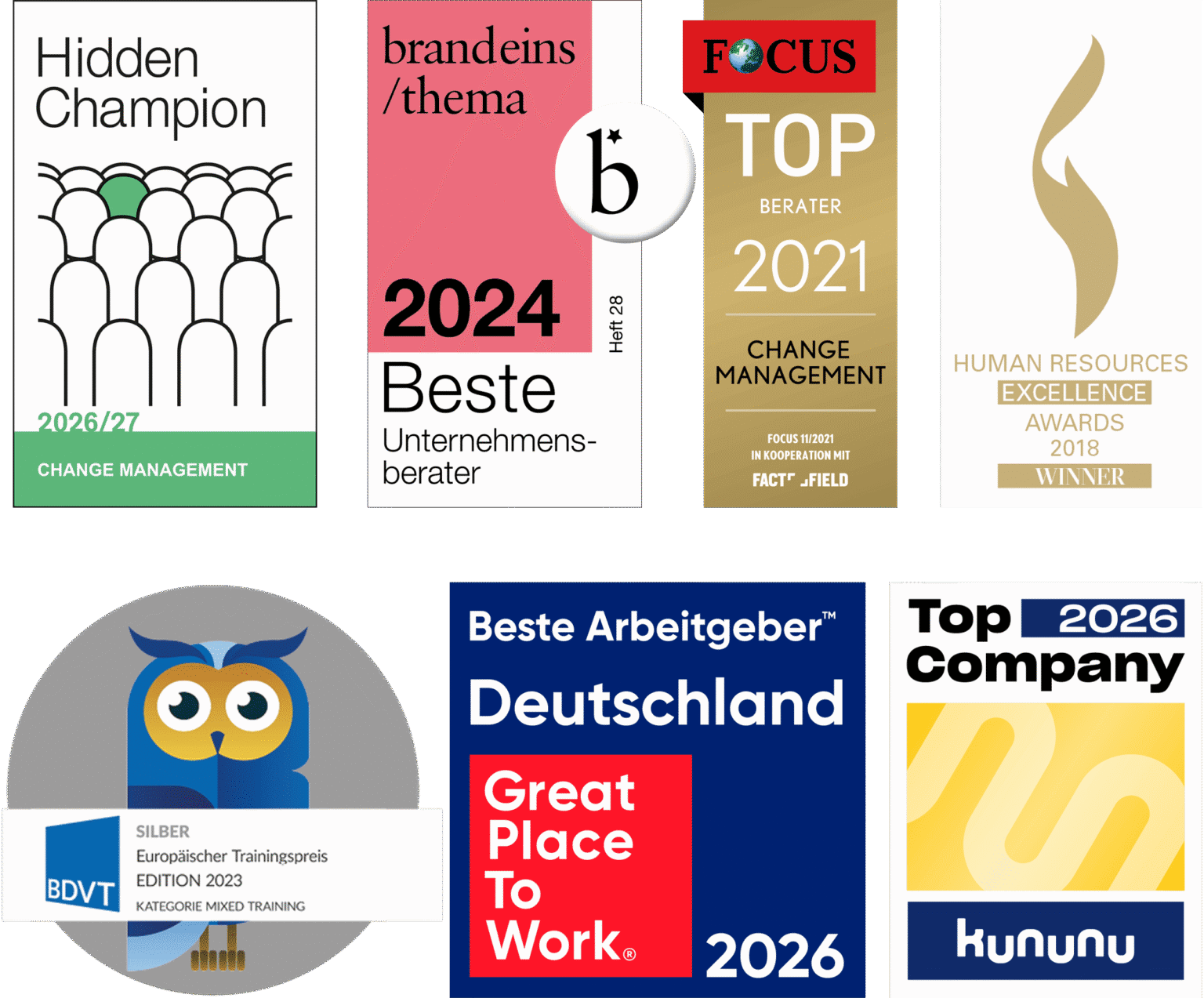
We're grateful for these awards
- CPC is a five-time No. 1 Hidden Champion for change management
- Year after year, brandeins/thema names us Germany's best management consultancy for change management
- We have been a Focus Top Consultant for many years
- Winner of the HR Excellence Award and the European Training Prize together with Deutsche Telekom and Lufthansa Technik
- We are No. 1 Great Place to Work in the 51–100 employees category and a Kununu Top Company.


Let's discuss
your project with us!
Tell us about your project. In a 30 to 45-minute initial conversation we show you how your change can succeed and what it takes. Afterwards you decide, in your own time, how to proceed.

Step 1
Call back or email.
We get back to you within 24 hours, clarify what you need and arrange an appointment.
Step 2
Free initial conversation.
In a video call you describe your project. Together we discuss suitable solution scenarios.
Step 3
The next steps.
Proposal, pitch or project kickoff? You set the pace and decide how to proceed.
Do you have any questions about feedback culture?
Rules alone do not change human behaviour if the team lacks psychological safety. When employees fear negative reactions or hidden sanctions, a false harmony takes hold. Problems are then kept quiet despite written guidelines. Rules also often fail because role models are missing at management level. Only when managers themselves deal openly with criticism do teams dare to do the same.
Psychological safety describes the shared trust in a team that no one will be shown up for questions, mistakes or criticism. It is the essential precondition for any feedback culture. Without this sense of safety, employees hold back relevant information to avoid risks to their status. Only when people are allowed to show vulnerability does real dialogue about improvements and blind spots in collaboration emerge.
Managers shape feedback culture particularly strongly through their own behaviour. They give feedback regularly, actively ask for it and take critical comments seriously. By dealing with feedback openly and reflectively, they create a reliable framework, foster psychological safety and make sure that agreed improvements are actually implemented.
Success can be assessed using qualitative and quantitative criteria. Regular surveys on openness, psychological safety and perceived appreciation are one option. In addition, participation rates in feedback conversations, implemented suggestions for improvement, staff turnover, absenteeism or the results of employee surveys can be considered. Individual figures, however, give an incomplete picture. What counts is whether feedback actually leads to better collaboration and traceable change.
Team feedback reaches its limits when key influencing factors lie in the organizational conditions. If silo thinking across departments prevails or incentive systems undermine team spirit, feedback alone hardly helps. What is needed here is systemic cultural development at organizational level. It develops leadership patterns and structures in a targeted way so that lived values are anchored throughout the company.