
Organizational Consulting and Organizational Development: Developing Structures, Processes and Culture Sustainably
Organizations today face increasingly complex challenges: new technologies, changing markets, rising customer expectations and new ways of working all demand adaptation. Yet sustainable change does not come from new processes or structures alone. What matters is whether an organization is able to implement and anchor change successfully. That is why we combine organizational consulting with change management and help you align your structures, processes, leadership and corporate culture purposefully toward the future.
Our Clients























Organizational Development and Organizational Consulting: The Difference
The two terms are often mixed up in everyday use
- Organizational development describes the actual change and learning process of your organization. It covers the long-term development of structures, culture, processes and skills so that the organization stays fit for the future and adaptable.
- Organizational consulting is the professional support in shaping and steering this change.
Our understanding: As an organizational consultancy, we are the impulse-giver and companion of your organizational development. We bring the necessary outside perspective, proven methods and implementation strength so that your change is not only planned but sustainably anchored in the company.
“Organizational development touches your structures, processes, roles, decision paths, leadership and, not least, your culture.”
Diana Herr, Senior Manager at CPC

When Does Our Organizational Consulting Make Sense? Typical Triggers and What We Can Do for You
Organizational consulting becomes relevant whenever an organization has to shape change successfully and goes beyond pure project management in doing so. Complex transformations in particular create challenges that cannot be solved by new processes or technologies alone. An external organizational consultancy like CPC helps to recognize patterns, understand causes and implement change in a structured way.
Typical triggers for organizational consulting are:
- Reorganization: When structures no longer fit the strategy, a clear plan for the rebuild is needed.
- Digital transformation: New systems such as SAP S/4HANA change not only processes but also roles and collaboration.
- Post-merger integration: After mergers, friction often arises from different cultures and structures. This is where our targeted consulting helps.
- Growth: Companies that grow quickly reach the limits of their existing organizational structure.
- Culture change: When values, leadership behavior and collaboration need to be realigned.
- AI integration: Introducing AI solutions fundamentally changes roles, decision paths and skill requirements.
Acting with Foresight: When Is the Right Time?
Organizational consulting is often sought only once the pressure is already high. Successful companies, however, use organizational consulting early to shape change actively and resolve challenges before they become a risk.
From our experience of more than 2,500 transformation projects, typical warning signs emerge:

Decisions take too long
Unclear responsibilities and cumbersome coordination processes slow the company down.

Employees are unsettled
High turnover, declining motivation or rising sickness rates are signs of organizational overload.
Projects fail repeatedly
If change initiatives regularly fail to achieve the desired effect, there is often a structural or cultural problem.
Discuss your project with us
Our organizational consulting is not only worthwhile in crisis situations. It creates the conditions for your company to remain permanently adaptable and to implement change successfully.
Our Solution Approach: How We Support You
Our organizational consulting bundles five services. Each answers a different need. Your entry point therefore depends on what you want to achieve right now. Often several services fit your situation. We are happy to work out with you where to start best:
Adaptive Organizational Design
With our organizational design we ensure clear priorities and aligned goals in your company. Transparent roles and short paths strengthen personal responsibility. Your teams decide quickly and actively shape the future. Together we anchor the new organization in everyday business.

Transformation Consulting
We strengthen your ability to change and make sure that leadership, processes and employees keep pace with the speed of change brought by AI and digitalization. That way your technology investments pay off measurably.
Rollout Management & Change
An excellent concept only unfolds its full effect when it reaches the whole organization. Our rollout management takes care of scaling, while our change management actively involves employees and leaders, creates acceptance and dissolves resistance.

Process Mining
With process mining we use your data to show where your potential lies. With change management we win over the people who use these processes. This is how you improve your margin by at least 3%.

Agile Organization
We make clear what agile working means in your company. We also shape the central levers for agility: leadership, collaboration, roles and decision-making processes.
Discuss your project with us
Where it makes sense, we complement these services and combine organizational consulting with our specialized AI consulting.
How Can the Success of Organizational Consulting Be Measured?
A frequent question decision-makers ask us is: How do I know whether CPC's consulting has actually had an effect? Organizational consulting works on several levels at the same time. That is why we define measurable goals right at the start and review together with our clients which improvements have been achieved.
Quantitative indicators show structural impact:
- Reduction of decision cycles, for example from an average of ten to four working days
- Decline in interface conflicts, measured via internal escalation rates
- Process efficiency: shorter lead times, less duplicated work
- Turnover and sickness rate as indicators of cultural health
Qualitative indicators show cultural impact:
- Acceptance rate of new ways of working, measurable via pulse surveys or structured feedback formats
- Perception of leadership and communication in the company
- Teams' self-assessment of their own ability to act in phases of change
We therefore always accompany change projects with a clear measurement logic. At project start we collect baseline values so that at the end it becomes visible what has actually changed. Organizational consulting by CPC is not an end in itself. It serves to help your company achieve its own goals better.
How Does Organizational Consulting Work? From Analysis to Organizational Development
Our organizational consulting starts with a concrete challenge but pursues a long-term goal: to create an organization that is high-performing, adaptable and resilient. Our approach therefore combines analysis, design and implementation with targeted organizational development.
The four phases at a glance:
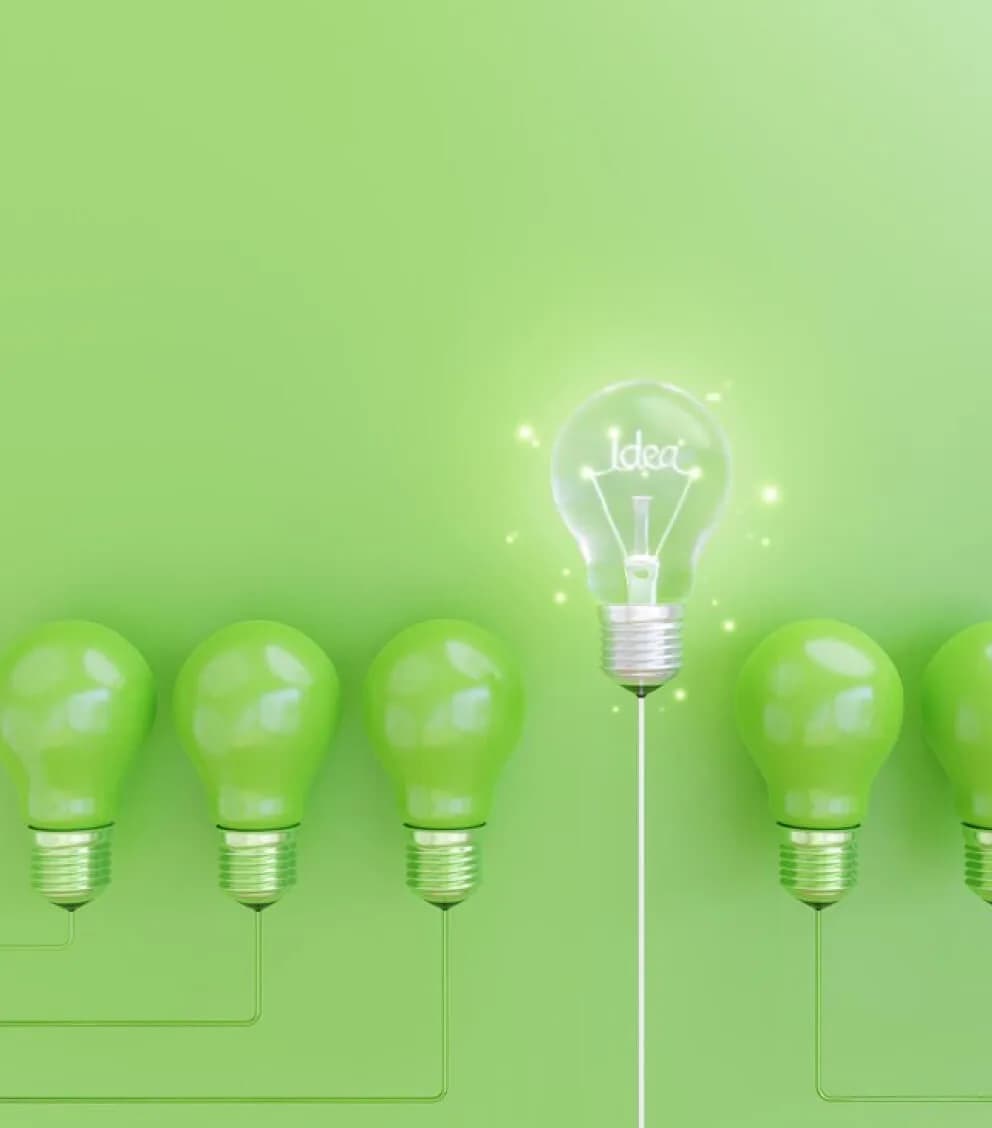
1. Envision the organization
Together we clarify the purpose, strategy and direction of your organization. That way everyone understands why something is changing and where the path leads.
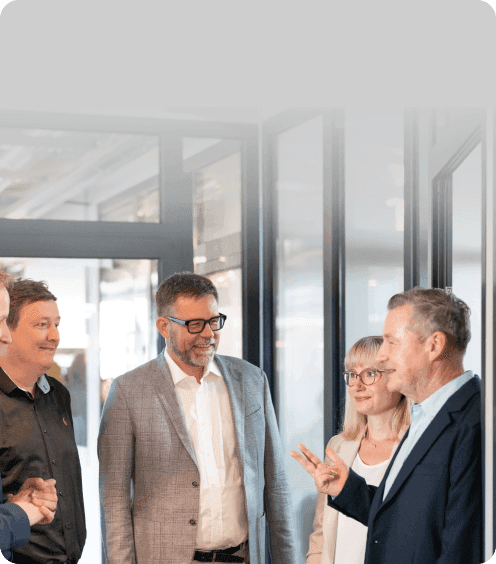
2. Analyze the organization
On this basis we analyze your organization along your value streams. We show where tensions arise and what fosters change.
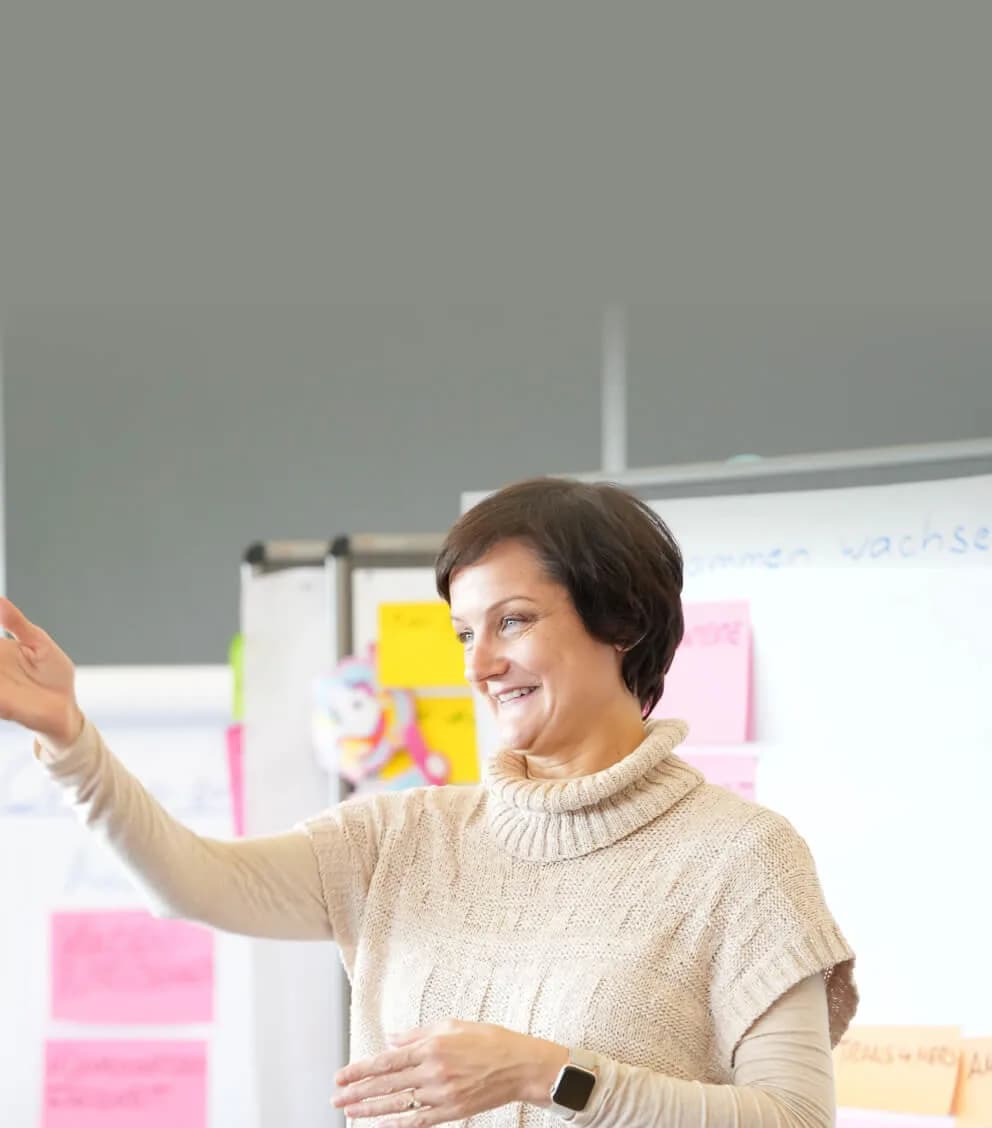
3. Design the organization
With your leaders and the affected units we develop your future organizational design. In doing so we redesign structures, roles, value streams and governance.
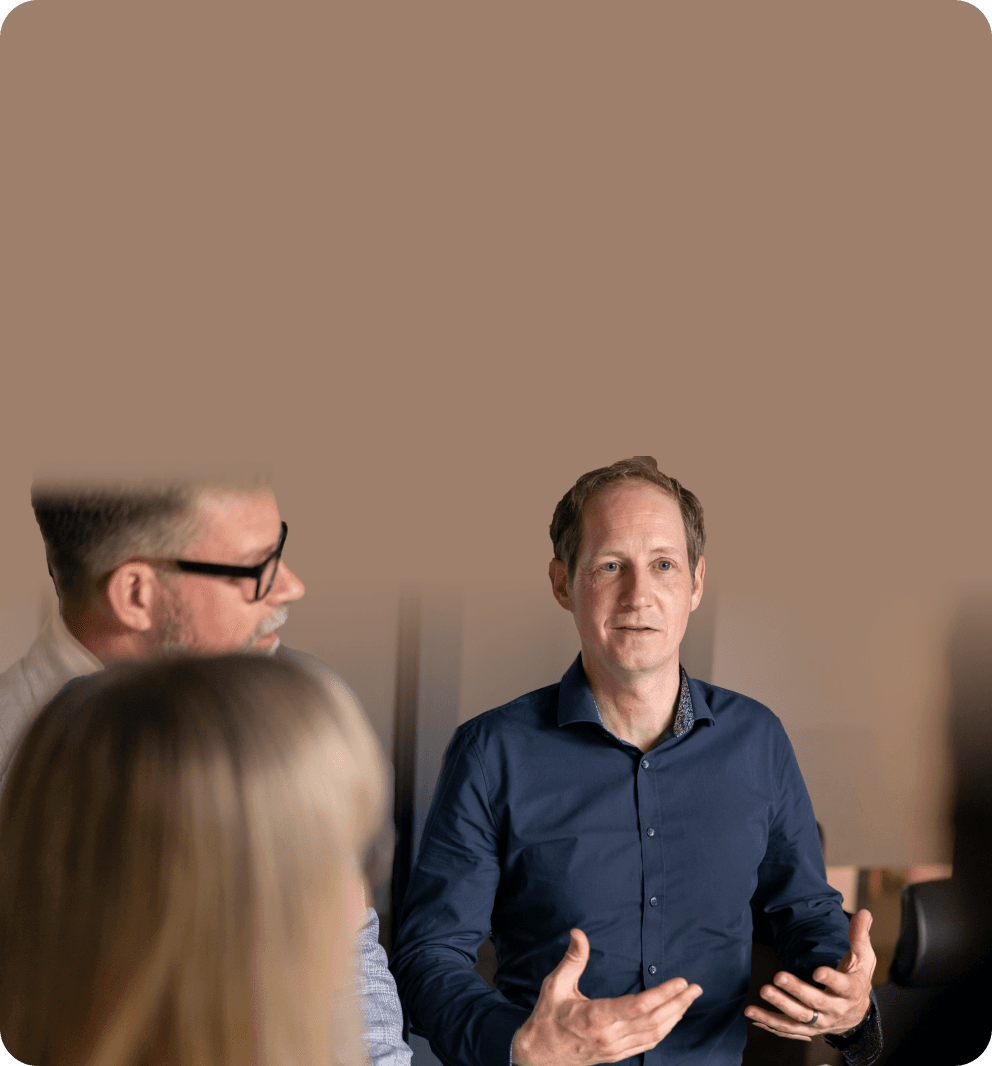
4. Implement the change
Impact happens in everyday business. That is why we implement the design in small steps. We accompany leadership and teams and anchor the new organization permanently.
This process is iterative. There are regular reviews between the phases. If conditions change, we adapt the plan. That keeps our management consulting close to the reality of your company.
“What matters is how you envision, design and implement a new organization. We rely on participation.”
Carina Throne, Senior Manager at CPC
What Makes Organizational Consulting Successful – Critical Success Factors
Organizational consulting rarely fails for lack of concepts. It fails in implementation, and usually for predictable reasons. We know the critical success factors and take them into account from the very start. This considerably increases the lasting impact of organizational development.
Leadership Commitment: The Underestimated Success Factor
Leaders shape how change is perceived in an organization. If top management officially commissions a consulting project but shows no visible support in day-to-day business, employees register that immediately. It sends the signal: this change is not really important.
In concrete terms, leadership commitment means: leaders communicate openly about the reasons for change. They take part in key meetings. They show that they themselves are willing to adopt new behaviors. And they protect the project from competing priorities that slow down progress.
Our organization experts support your leaders in actively filling this role – through targeted leadership development running parallel to the consulting process.
Involving Employees: More Than a Communication Measure
Successful change happens when employees are actively involved. This benefits you on several levels:
- Internal knowledge flows into concept development, which improves the quality of the solution.
- Employees who help shape the result identify more strongly with it.
- Resistance arises less often when people feel they are being heard.
- Implementation speed increases because less explanation and less course correction are needed.
Involvement does not mean that everyone decides everything together. It means that the right people are involved at the right time in the right formats. That requires planning and is a central part of our organizational consulting.
How to Recognize Successful Organizational Consulting
- Clear responsibilities defined already in the concept phase
- Affected employees know the reason for the changes
- Leaders act as active supporters, not as neutral observers
- Progress is communicated regularly, even when not everything runs smoothly
- Changes are not left to themselves once the project is complete
Change Management as a Success Factor for Sustainable Management Consulting & Organizational Development
Change management is the link between organizational consulting and organizational development. A new structure or an optimized process alone does not change an organization. Sustainable change only emerges when leaders and employees understand, accept and apply new ways of working. That is why we do not only accompany change conceptually but jointly develop your organization's capabilities further:
- Employees are informed and involved early, not only once decisions have been made.
- Resistance is not ignored but understood as a signal that clarification is needed.
- Leaders are enabled to actively lead change, not just manage it.
- Communication is part of the concept, not a downstream step.
We combine organizational consulting, organizational development and change management into one integrated approach. This is how we support companies in successfully implementing concrete change initiatives while at the same time strengthening the organization's long-term ability to change. The result is not just new structures or processes but organizations that also master future challenges successfully.
Our organizational consulting bundles five strong services. Each starts at a different point. Together they form a clear path for your change. Choose the entry point that fits your need. We are happy to work out with you where to start best.
This is how the interplay works: organizational design takes you from strategy to implementation. Transformation consulting reaches further and connects organization, culture and digitalization. Above all, it strengthens your ability to change. Process mining uses data to show where to start. An agile organization keeps your teams permanently agile. And a good rollout brings every change safely to scale. So there is the right entry point for every need.
Why CPC is the first choice as an organizational consultancy:
2,500 successful projects
This experience yields well-founded methods and reliable judgment.
Deep industry expertise
In the automotive industry, energy sector, chemicals & pharma, banking & insurance and mechanical engineering.
Top awards
As a change management consultancy, organizational consultancy, AI consultancy, consultancy for leadership & culture and transformation consultancy.
Integrated approach for organizations
Structural analysis, change management and culture development interlock.
“When we develop organizations, strategy comes first, then structure. Because those who merely imitate come second at best.”
Gunnar Schultze, Partner at CPC
Let's discuss
your project with us!
The first step is easy — and don't worry: we won't send you dull newsletters or annoying promotional emails. Instead, we focus on what matters: your change goals and how we can move your business forward.
Step 1
Call back or email.
Within 24 hours we get in touch with you, capture your requirements and arrange an appointment with one of our experts.
Step 2
Free initial consultation.
In a video call you explain your project and discuss possible solution scenarios together with our expert.
Step 3
You decide how to proceed.
Proposal, pitch or project kickoff? You set the next steps.
Still have questions about organizational consulting?
An organizational consultant analyzes structures, processes and communication channels in a company. They conduct interviews and workshops, draw up diagnoses and develop solutions together with the company. They also accompany implementation: supporting leaders, facilitating change processes and helping to anchor new ways of working in everyday business. Good organizational consultants combine professional analysis with a deep understanding of people and organizational dynamics.
The cost of organizational consulting depends heavily on the scope and complexity of the project. Smaller projects, such as a structural analysis for one department, can be completed within a few weeks. Extensive transformation projects affecting several areas and sites often run for six to twelve months. We are happy to advise you transparently on scope and effort – get in touch!
The duration of organizational consulting and organizational development depends heavily on the respective goal and scope. A focused analysis and concept phase often takes 4 to 8 weeks. Organizational development measures with implementation support usually extend over 3 to 12 months. For comprehensive transformations, for example in the course of an SAP S/4HANA implementation or a strategic realignment, the support can also take considerably longer.
Organizational consulting addresses the organization as a whole: structures, processes, roles and culture. Organizational coaching, by contrast, is aimed at an individual or a team and targets personal development and changed behavior within the organization. The two formats complement each other well: organizational consulting shapes the structural framework, coaching enables the people within it. Our experts combine both approaches where it makes sense, for example in leadership development.
Organizational consulting and organizational development are for companies of every size that face change. Typical clients are mid-sized companies and DAX corporations planning a reorganization, steering a digital transformation or wanting to develop their corporate culture further. External consulting support is also valuable in growth phases, after mergers or when introducing new systems such as SAP S/4HANA. What matters is the will to change; we shape the rest together.
Internal consultants know the company well; they understand its culture, history and informal rules. A possible disadvantage: they are part of the system and therefore cannot look at certain patterns impartially. External organizational consultants bring a neutral outside perspective. They recognize blind spots, speak uncomfortable truths and have no political interests in the company. Both variants have their place; in complex transformations a combination of the two is recommended.