
Biography:
Oliver Kleinknecht is a partner at CPC AG, focusing on digitalisation and AI transformation, project and programme management as well as change management and organisational design. Before joining CPC he worked as a developer, architect and project manager for a global IT service provider. His credo: knowledge and experience are the basis for success, which only comes from putting them into practice.
Twice per quarter, in our KIxChange we examine the design and implementation of AI systems from different perspectives. Alongside methodological impulses from experts, the focus is on the exchange among participants from industry, academia and the public sector on practical examples, experiences and questions.
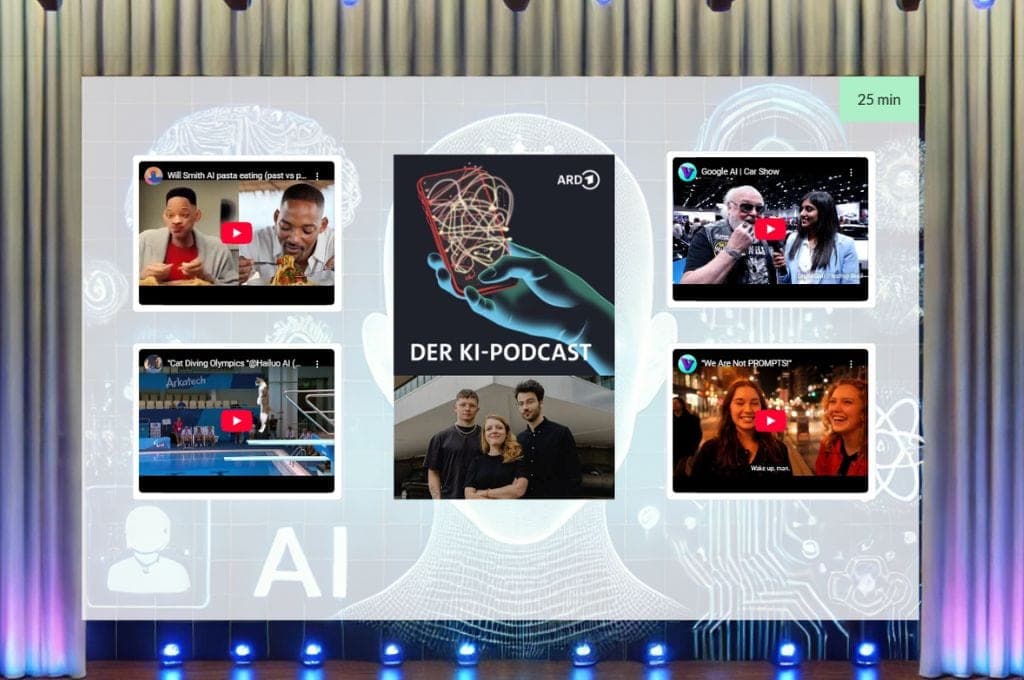
At our last KIxChange we spoke with Fritz Espenlaub (freelance journalist & host of "Der KI-Podcast") about the interplay of artificial intelligence, society and change management.
Where do we currently stand? What is coming towards us? And what role does change play in this?
Here are five impulses from the conversation – worked out jointly by human and machine:
- Questioning our self-understanding:
AI challenges our self-image like no technology before. What remains a human task? Where does uniqueness end?
Answers to this are still missing. What is clear: this development is not a change with a beginning and an end – but an open, profound transformation. - Experimenting instead of blocking:
Anyone who tries out AI themselves dismantles prejudices faster. A playful approach fosters understanding – and helps to distinguish hype from reality.
This creates a basic understanding that makes informed decisions possible instead of mere defensive reactions. - Change comes from within:
Many already use AI in their private everyday life – and would like to use it professionally too. What is new about this situation: the impulse for change comes from the workforce.
For companies, the question arises: how can this energy be transferred into structured, secure use? - Securing digital sovereignty:
Dependence on US corporations is growing. Europe needs its own models and infrastructure – not only for reasons of innovation, but also geopolitically.
Because when AI systems become political bargaining chips, we face new risks. - Trust and rethinking:
AI-generated images and videos blur reality and forgery. Trust no longer arises "through seeing for yourself".
Education must therefore focus on critical thinking – in schools, companies and society. Teachers and leaders play key roles in this.
Conclusion: AI challenges us – professionally, organizationally, culturally
The 13th KIxChange showed: artificial intelligence changes not only technologies, but our self-understanding, our working culture and our organizations. This makes AI the central challenge in change management – and a driver for new forms of learning, deciding and shaping.
Anyone who wants to actively shape this change needs a structured and reflective approach to AI in the company. On our page about AI consulting, we show how we support organizations with precisely this challenge.
Would you like to anchor AI strategically in your organization?
Then get in touch with us – we support you with experience, clarity and change competence.